
As we navigate the complexities of the U.S. economy, it’s essential to understand the current state of debt across various sectors. Recent analyses provide a comprehensive overview of household, corporate, and government borrowing, shedding light on trends that could influence our economic future.
Household Debt: Signs of Stability
Recent data indicates a slight improvement in household debt. In the second quarter, total household debt decreased by $13 billion, a 0.1% drop. Additionally, loan delinquencies have improved compared to the previous year, suggesting that many American families are managing their finances more effectively. This stability is a positive sign, indicating resilience among consumers despite broader economic uncertainties.
Corporate Debt: Investments in AI and Associated Risks
On the corporate front, debt levels remain substantial, primarily due to significant investments in artificial intelligence (AI) technologies. Corporate debt currently stands at about 45.5% of GDP. While these investments have the potential for high returns, they also carry risks, especially if the anticipated benefits of AI advancements do not materialize as expected. Companies are betting heavily on AI to drive future growth, but the success of these investments remains to be seen.
Government Debt: A Growing Concern
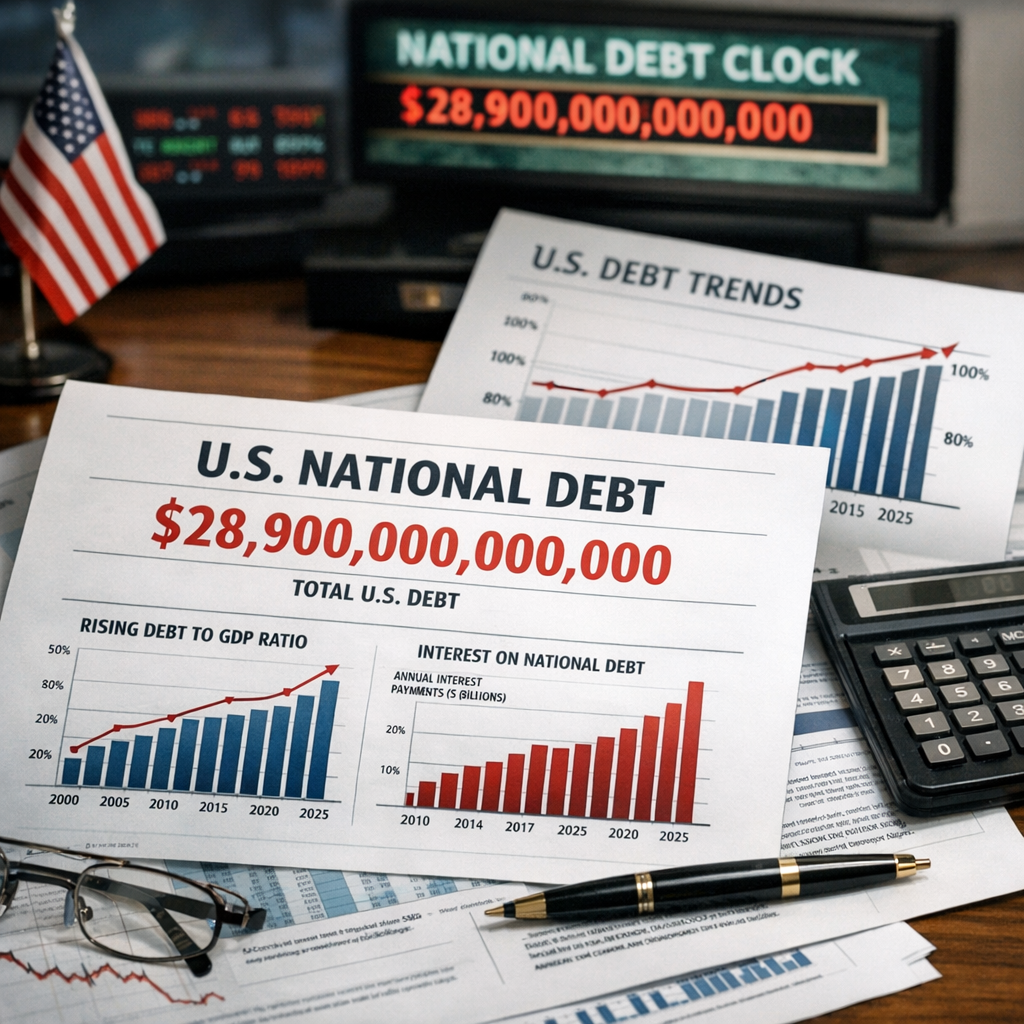
The most pressing issue lies with government debt, which has reached 100% of GDP. Annual deficits are running around 6%, even in a strong employment environment. This level of public borrowing suggests structural challenges that could threaten economic stability, particularly if unexpected external shocks occur. Addressing this fiscal imbalance is crucial to ensure long-term economic health.
Implications for the Broader Economy
While household debt appears stable and corporate borrowing is linked to potentially high-return investments, the government’s fiscal imbalance remains a key point of concern. Elevated debt levels can make the economy more vulnerable to shocks, with a highly leveraged economy more likely to experience a crisis or recession in response to relatively small disturbances. It’s imperative for policymakers to address these issues proactively to safeguard economic stability.
Understanding these debt dynamics is vital for informed discussions about our nation’s economic future. As residents of Maplewood, staying informed about these national trends helps us better comprehend the broader economic forces that may impact our local community.